Key Takeaways
- The strongest predictor of whether therapy helps is fit: a clinician with real experience in what you are facing, and someone you can talk to honestly.
- In California, check whether a therapist is fully licensed (LMFT, LCSW, LPCC or psychologist) or an associate working under supervision, since both are legitimate but the difference is worth knowing.
- Five questions on the first call tell you most of what you need: what they treat most often, how they work, how sessions run, what it costs, and what happens if the fit is wrong.
- San Pedro has both in-person and video options, and many people use both, in person to start and by video on busy weeks.
Finding a therapist in San Pedro comes down to two things, a clinician who has real experience with what you are dealing with and a practical setup you can keep up with week to week, and a short phone call before you book usually tells you whether both are there. The questions below are the ones we would want someone in our own family to ask, whichever practice they end up choosing.
Most people find a therapist the way they find a restaurant, by scrolling a directory and picking whoever looks kind in their photo, and it is understandable, but it leaves the most important part to chance.
Why does fit matter so much?
Research on therapy outcomes has found for decades that the relationship between client and therapist is one of the strongest predictors of whether therapy helps, often more than the specific method used. That does not mean you need to like your therapist the way you like a friend. It means you need to feel able to tell them the truth, and they need to know enough about what you are facing to do something useful with it.
Specialty matters too. A therapist who mostly sees couples is not automatically the right person for panic attacks, and someone who works mainly with teenagers may not be the right fit for a longshoreman working nights. Asking what a clinician sees most often is a fair question, and a good one will answer it plainly.
What do the letters after a therapist’s name mean?
California licenses several kinds of therapists, and all of them can provide talk therapy. The difference is in training and in whether they practice independently or under supervision.
| Credential | What it means | Practices independently? |
|---|---|---|
| LMFT | Licensed Marriage and Family Therapist, a master’s degree plus 3,000 supervised hours and state exams | Yes |
| LCSW | Licensed Clinical Social Worker, a master’s in social work plus supervised hours and state exams | Yes |
| LPCC | Licensed Professional Clinical Counselor, a master’s in counseling plus supervised hours and state exams | Yes |
| Psychologist (PhD or PsyD) | A doctorate in psychology plus supervised hours and state exams | Yes |
| AMFT, ASW, APCC | An associate who has finished their degree and is accruing hours toward licensure | No, they work under a licensed supervisor |
Associates are legitimate and often excellent, and many people see one happily. It is still reasonable to know which you are booking with, and you can look up any California license on the state’s DCA license search. Every clinician at Coastwise is fully licensed, which is a choice we made so that the person you meet is the person making the clinical decisions.
What should you ask before you book?
A ten-minute call answers most of what matters. These are the questions worth asking, and you can ask them of us as easily as anyone else.
- What do you see most often? You are listening for whether your concern is something they work with every week or occasionally.
- How do you work? Some therapists use structured approaches such as CBT or EMDR, others are more conversational. Either can be right, and it helps to know which you are getting.
- How do sessions run? Most are 50 minutes, weekly at first. Ask about evening times if you work days, and whether video is an option.
- What will it cost, and how does insurance work? A clear answer here is a good sign. Ask whether they work with your plan and how billing is handled.
- What happens if it is not a good fit? A practice that can move you to another clinician without starting over is worth a lot.
If you are a longshore or union member, ask specifically about the ILWU-PMA and ILWU-OCU plans, since the details matter and not every practice works with them. Our page on therapy for ILWU members covers how that works here.
In person or by video?
Both work. Research comparing video therapy with in-person therapy has found similar results for common concerns like anxiety and depression, so the choice is mostly practical.
In person suits people who want a separate place to do this work, away from the house and the phone, and it is often easier for couples and families. Video suits shift workers, parents with small children, and anyone whose week makes a drive across the harbor hard to keep up. Many clients do both, starting in person and switching to video sessions on weeks that are tight.
Our practice is at 1366 W 7th Street, a few minutes from the waterfront, and clients come from across the harbor area, including Wilmington, Harbor City, Lomita and the Palos Verdes peninsula. Video sessions are available anywhere in California.
How does matching work at Coastwise?
The Coastwise family has been in San Pedro for more than fifty years, and the practice is small enough that we know each clinician’s training, specialties and style. Rather than handing you a list of names, we ask what you are looking for and recommend the therapist we think fits. If the fit turns out to be wrong, we help you move to someone else on the team, and if we think another provider would serve you better, we tell you that too.
You can start on our matching page or read more about therapy in San Pedro. A free 15-minute consultation by phone is the simplest way in: call (424) 536-3002.
Frequently Asked Questions
Look for a licensed clinician with real experience in what you are facing, then call before booking and ask what they see most often, how they work, what it costs and what happens if the fit is wrong. Fit predicts whether therapy helps more than almost anything else.
An LMFT is fully licensed and practices independently. An associate (AMFT) has finished their degree and is accruing supervised hours toward licensure. Both can provide good care, and every clinician at Coastwise is fully licensed.
No. You can contact a therapist directly. Some insurance plans have their own requirements, so it is worth asking how your plan works when you call.
Yes. Coastwise offers secure video sessions anywhere in California with the same licensed clinicians you would see in person.
It depends on the practice and your insurance. We work with insurance and will talk through how your plan applies on a free consultation call at (424) 536-3002. You can also pay with a Health Savings Account (HSA) or Flexible Spending Account (FSA).
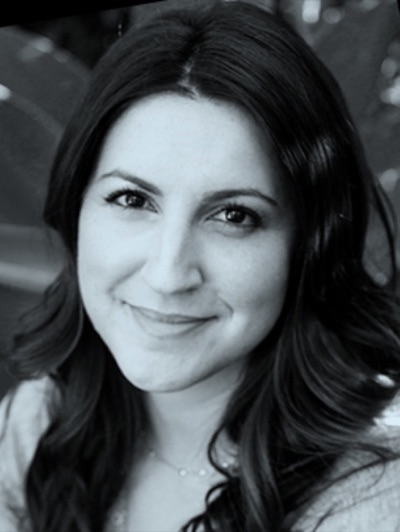
Daniela Zuanich is a co-founder of Coastwise Health. A San Pedro native, she founded the practice to support her community's wellbeing.